


Essential Maintenance Tips to Extend the Life of Your Water Heater
Every homeowner relies on a steady stream of hot water for daily comforts, from warm morning showers to sanitizing load after load of laundry. Because this hard-working appliance operates silently behind the scenes, it is easy to take its daily performance for granted until an unexpected cold shower ruins your routine. Implementing a proactive preventative maintenance routine is the most reliable strategy to optimize your system's efficiency, reduce utility expenses, and avoid costly structural leaks.
Understanding the Financial Impact of Water Heating
Your water heating system is easily one of the most mechanically demanding appliances operating inside your household on a continuous loop. Because it must constantly fight against ambient temperatures to keep a massive tank of water ready for use, it draws a substantial amount of utility power throughout the day and night. According to Family Handyman, a water heater accounts for almost 20% of a home's energy use. This substantial consumption occurs because traditional tank models constantly cycle on and off to maintain a set temperature, regardless of whether you are actively using hot water or fast asleep. Consequently, any underlying mechanical strain will instantly force the system to work overtime to keep up.
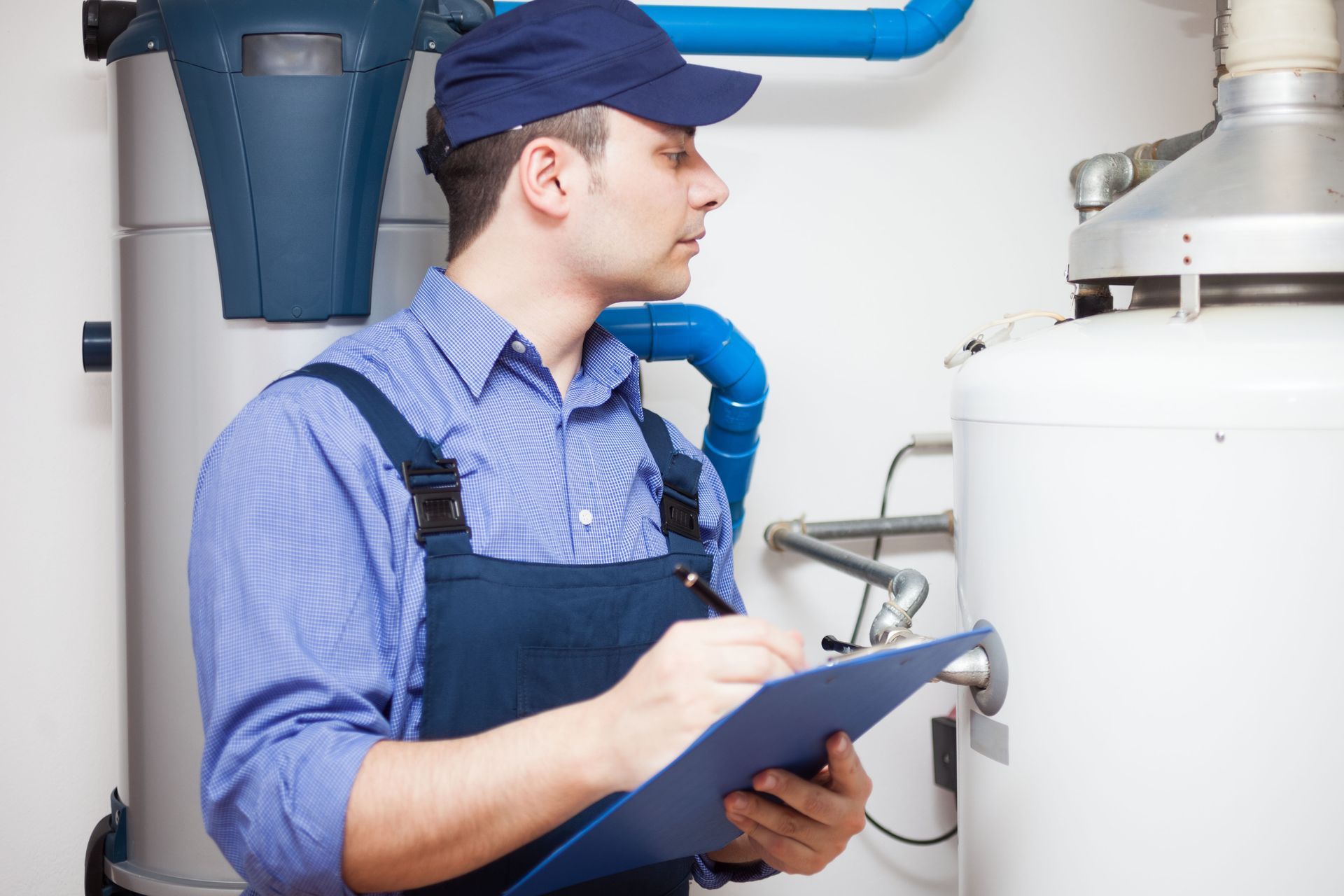
This considerable baseline expenditure means that even a minor drop in mechanical efficiency can noticeably inflate your monthly electrical or natural gas statements. Investing in a professional water heater service once a year keeps internal components running flawlessly, ensuring your energy bills remain as low as possible. By keeping your heating elements free of scale and buildup, you ensure that every dollar spent on utilities goes directly into heating your water rather than struggling against internal mechanical resistance. This routine lubrication, cleaning, and electronic testing also protect sensitive electronic controls from burning out due to chronic overheating.
Flushing the Storage Tank to Eliminate Sediment
Over several months of continuous operation, dissolved minerals like calcium and magnesium naturally precipitate out of your municipal or well water supply. These heavy mineral deposits slowly settle to the bottom of your storage tank, forming a thick, crusty layer of sediment directly over the primary burner or lower heating element. This dense internal barrier forces your system to run longer and hotter to heat the water above it, which creates severe thermal stress that can eventually crack the steel tank entirely.
Performing a thorough system flush at least once a year is the best way to purge these destructive mineral accumulations from your appliance. If you hear a distinct popping, rumbling, or knocking sound coming from your utility closet during a heating cycle, your system is already struggling against heavy mineral layers. Calling in a dedicated water heater service provider allows a technician to safely drain the unit, flush out the solidified scale, and restore completely silent, hyper-efficient thermal transfer throughout the tank.
Inspecting the Sacrificial Anode Rod for Wear
Deep inside every steel water heater tank hangs a critical safety component known as the sacrificial anode rod, which is specifically designed to protect your system from internal rust. This specialized metal rod attracts highly corrosive elements within the water supply to itself, intentionally allowing its own materials to degrade so the steel tank walls remain completely untouched. If this protective rod is left unmanaged until it dissolves completely, those corrosive minerals will immediately begin eating away at the main steel tank lining, causing a catastrophic, un-repairable flood.
Homeowners should ideally have this hidden safety rod checked every two to three years, or even more frequently if your household utilizes a water softening system. A comprehensive inspection by a licensed water heater service team will determine whether the rod still has functional metal left or if it needs an immediate replacement. Replacing this single, affordable part on a regular schedule is the absolute best way to double the active operational lifespan of your entire plumbing investment.
Testing the Temperature and Pressure Relief Valve
Your system features a vital mechanical safety device known as the temperature and pressure relief valve, which is designed to prevent dangerous pressure buildups inside the tank. If your thermostat fails and the water overheats excessively, this spring-loaded valve automatically opens to release built-up steam and prevent a destructive physical explosion. Because this valve remains closed for long periods, mineral deposits can easily freeze the internal mechanism shut, rendering it completely useless during a dangerous system malfunction.
To test this safety mechanism, carefully lift the small metal lever on the valve to verify that hot water discharges freely into the drain pipe, then release it to ensure it snaps closed immediately. If the valve leaks continuously after testing or fails to release water entirely, it must be replaced immediately to protect your home's structural safety. Having a qualified water heater service professional handle this test ensures your safety systems are completely operational without risking severe accidental scalding from high-temperature water.
Verifying the Thermostat Settings for Safety and Savings
Many manufacturers ship new heating appliances with the default internal thermostat set to a baseline temperature of 140 degrees Fahrenheit. While this high temperature ensures plenty of hot water, it presents an immediate scalding hazard for young children or elderly family members, while simultaneously accelerating the rate of internal mineral accumulation. Lowering your system's operating temperature down to 120 degrees Fahrenheit provides more than enough heat for daily household chores while drastically reducing standby thermal losses.
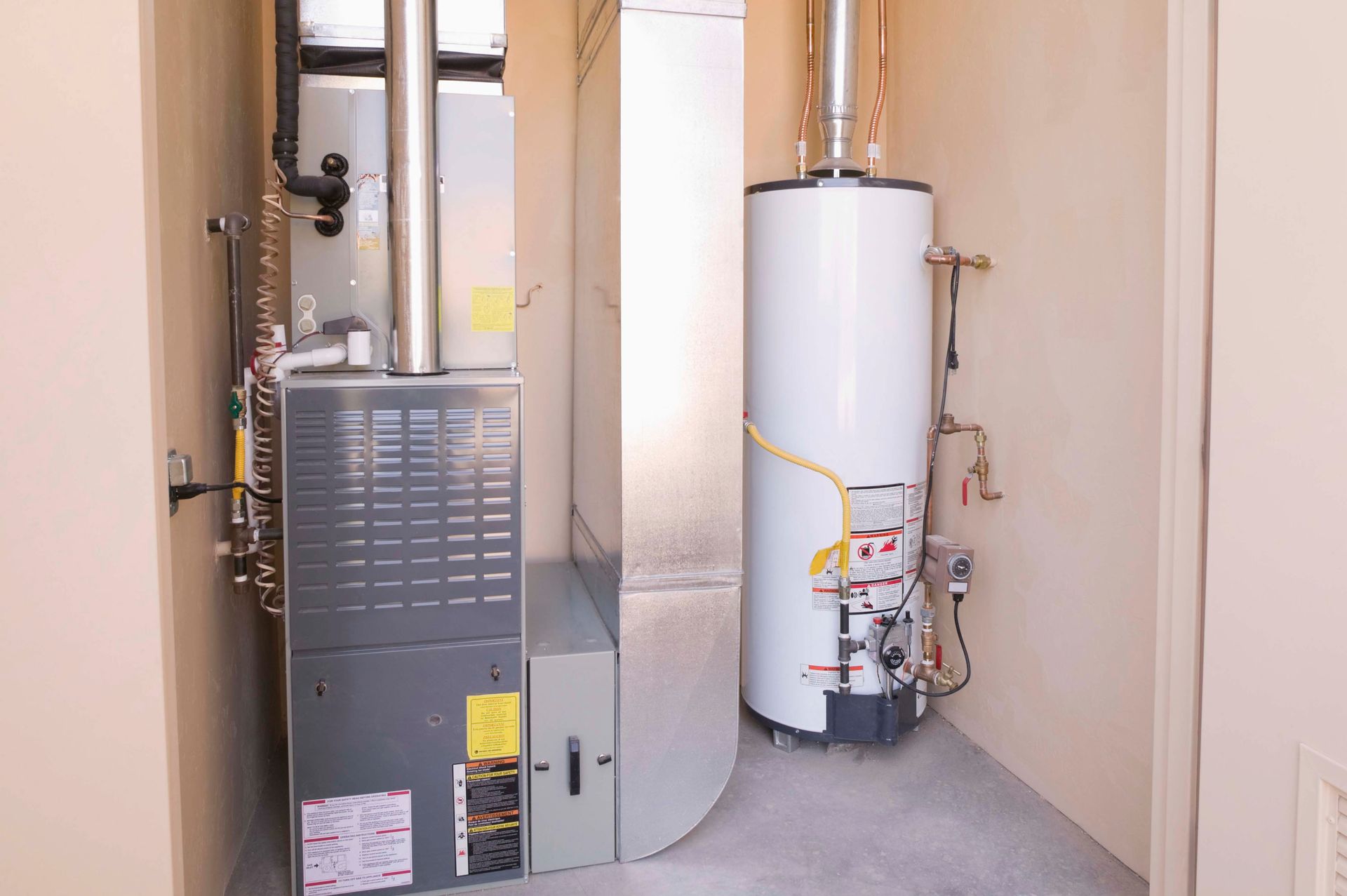
Adjusting these settings on modern digital systems is relatively straightforward, but older gas or electric units often require removing protective paneling to access the internal dials safely. Relying on an expert water heater service team to calibrate your thermostats guarantees that the upper and lower elements are perfectly synchronized. This precise structural alignment prevents one element from burning out prematurely due to uneven workloads, keeping your water temperatures beautifully consistent across every single faucet in your home.
Checking the Ventilation Systems for Safe Exhaust
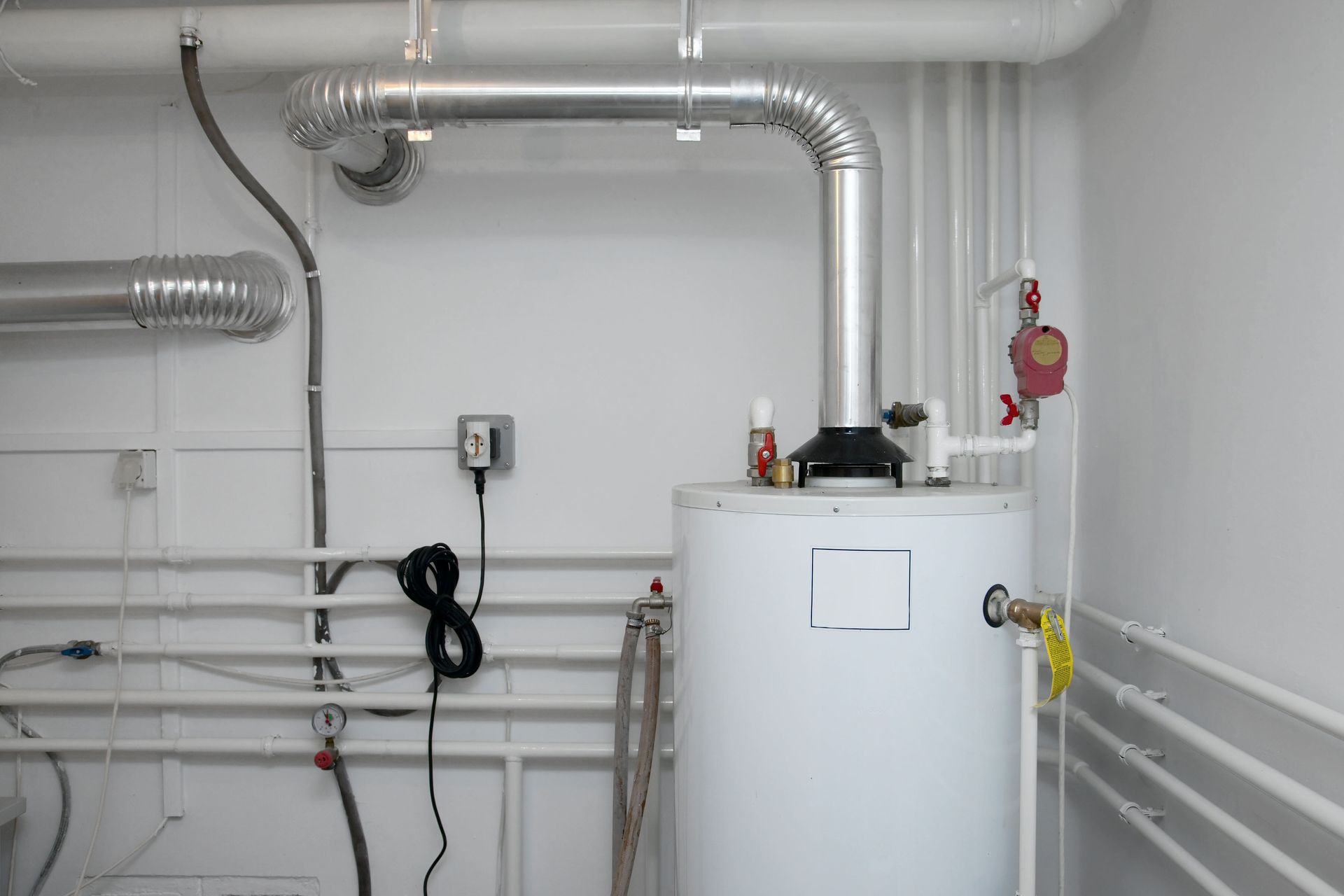
For households utilizing natural gas or propane systems, ensuring the exhaust ventilation network remains completely clear and securely connected is an absolute necessity for health and safety. These units generate toxic combustion byproducts, including carbon monoxide, which must be routed cleanly out of your living spaces through an approved metal or PVC flue pipe. Over time, physical vibrations can loosen connection points, or outdoor debris like bird nests can block the vent opening entirely, forcing dangerous gases backward into your home.
During a routine maintenance sweep, look for signs of backdrafting, such as localized rust or discoloration around the draft hood at the top of the appliance. A certified technician performing an annual water heater service check will use specialized equipment to verify that your draft system draws harmful fumes outward flawlessly. This vital safety check keeps your indoor air quality pristine, giving you total peace of mind that your gas-powered appliances are operating with maximum environmental safety.
Protecting the daily comfort, physical safety, and monthly utility budget of your household starts with giving your water heating system the specialized attention it truly deserves. By staying on top of routine flushes, monitoring safety valves, and partnering with local plumbing experts, you ensure your appliance serves your family reliably for years to come. Schedule your comprehensive system tune-up today and maximize the lifespan of your equipment by calling the trusted professionals at Around the Clock Plumbing & Heating Inc.
Share On: