


6 Reasons to Choose a Tankless Water Heater
Choosing a water heater is an important decision for homeowners who want reliable hot water and an efficient household plumbing system. Traditional tank models store and heat a set amount of water, while tankless systems heat water as it passes through the unit. Each option has advantages, but the right choice depends on household size, daily water use, available space, and installation requirements. Understanding how these systems differ can help homeowners make an informed decision.
Tankless water heaters have become a popular option because they offer several practical benefits. Their compact design, on-demand operation, and potential for long-term energy savings make them worth considering for many properties. However, homeowners should also account for the unit's capacity, maintenance needs, and upfront installation costs. Reviewing these factors can help determine whether a tankless system is suitable for a home's hot water demands.
Before replacing an existing unit, it is helpful to learn how tankless technology works and what to expect from the equipment. Professional guidance can also help homeowners compare available systems and identify any plumbing or utility upgrades that might be necessary. The following benefits explain why a tankless water heater may be a practical choice for some households.
1. Reducing Energy Waste
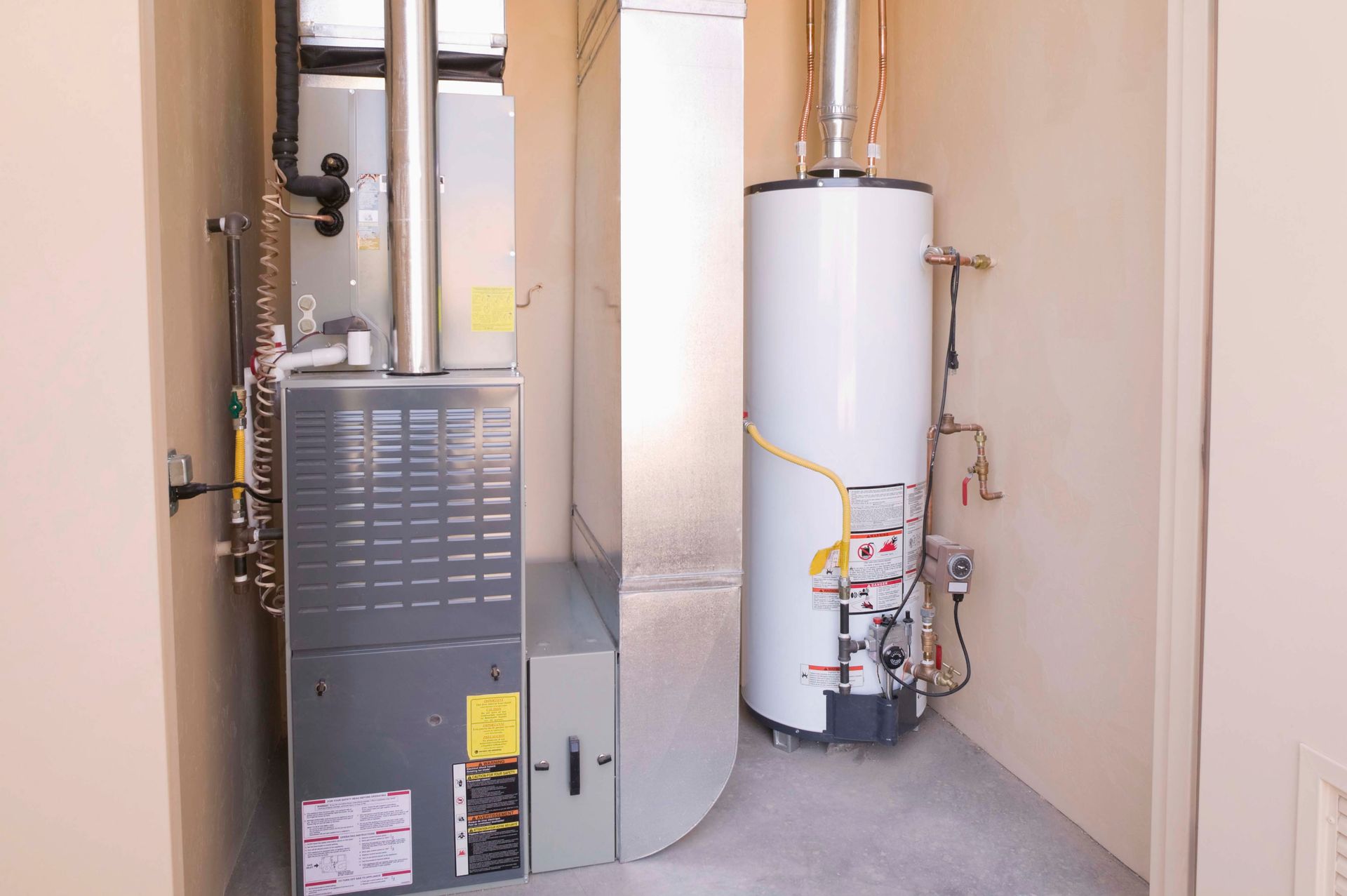
Traditional water heaters keep a supply of water heated inside a storage tank, even when no one is using hot water. This process can result in standby heat loss as the stored water gradually cools and requires reheating. Tankless systems operate differently by heating water when a fixture or appliance calls for it. This on-demand process can reduce the energy used to maintain a constant supply of stored hot water.
Actual energy savings depend on several factors, including household water consumption, fuel type, equipment efficiency, and installation conditions. A household that uses hot water throughout the day may experience different results than one with lower demand. Comparing equipment specifications and expected usage can help homeowners evaluate whether a tankless system is a suitable investment.
2. Saving Valuable Space
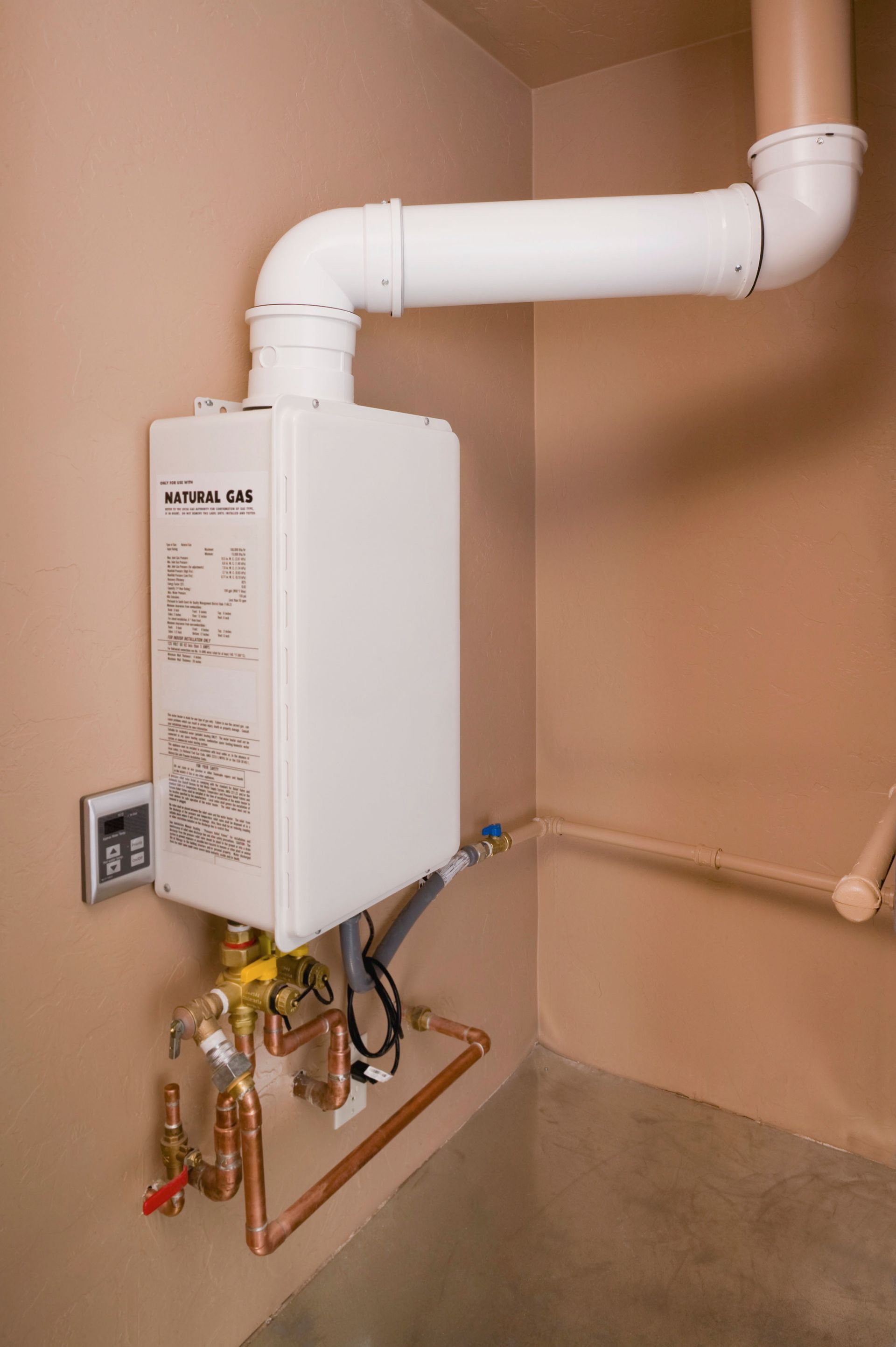
Tankless water heaters have a compact design that can free up space in utility rooms, basements, and other areas where traditional storage tanks are installed. Instead of requiring a large tank, many models mount on a wall and occupy a smaller portion of the available area. This arrangement can make a difference in homes with limited storage or mechanical space.
Professional water heater installations also account for the clearances, venting, and utility connections required by the selected equipment. Although tankless units are smaller, they still need appropriate placement and access for maintenance. A plumbing professional can evaluate the available area and determine whether the proposed location meets the manufacturer's requirements.
3. Maintaining a Consistent Hot Water Supply
One reason homeowners consider tankless systems is their ability to heat water as it is needed. A traditional tank can run out of stored hot water when several people shower, run appliances, or use faucets close together. A tankless unit does not rely on a fixed storage supply, so it can continue heating water while there is demand. This can be helpful for households that regularly use hot water at different fixtures.
However, a tankless water heater does not provide an unlimited amount of hot water under every condition. Each unit has a maximum flow rate, which determines how much water it can heat at one time. If several fixtures operate simultaneously and exceed the system's capacity, water temperature or flow may be affected. Selecting equipment that matches household demand is an important part of planning water heater installations.
Household routines can help determine the capacity needed for a new system. For example, families that frequently run dishwashers while showering may need a unit with a higher flow rate than homes with fewer simultaneous hot water demands. A plumber can review these usage patterns and recommend equipment that supports daily needs. This evaluation helps make water heater installations more effective and reduces the likelihood of choosing an undersized unit.
4. Planning for Long-Term Savings
Although tankless water heaters can have higher initial costs than conventional tank models, their operating efficiency and potential lifespan can make them worth considering. According to Today's Homeowner, tankless water heaters last 15-20 years, almost twice the lifespan of traditional tank models. Actual service life varies based on water quality, usage, maintenance, and the manufacturer's recommendations.
Homeowners should compare the purchase price, installation expenses, expected operating costs, and maintenance requirements before choosing a system. Some properties may also need electrical, gas line, or venting modifications to support the new equipment. Understanding these expenses ahead of time can provide a clearer picture of the overall investment.
5. Supporting Household Safety
Modern tankless water heaters include safety features designed to help regulate operation and protect equipment. Depending on the model, these features may include temperature controls, sensors, and automatic shutoff functions. Because the system does not store a large volume of hot water, it also avoids some of the risks associated with a leaking or ruptured storage tank.
However, tankless units still contain water and plumbing connections that can develop leaks or require repairs. Proper installation, routine inspections, and maintenance help keep the equipment operating as intended. Professional water heater installations also help address fuel connections, venting, and other requirements that affect safe operation.
Homeowners should also follow the manufacturer's maintenance recommendations to help prevent mineral buildup and keep internal components functioning properly. Water hardness, system usage, and local conditions can influence how often maintenance is needed. Scheduling periodic service can help identify developing concerns before they lead to interruptions or more extensive repairs.
6. Supporting More Efficient Home Energy Use
Upgrading a water heater can be one part of a broader effort to manage household energy use. Tankless models heat water only when needed, which can reduce the energy associated with keeping a storage tank hot throughout the day. Homeowners can compare efficiency ratings and operating requirements to understand how different models may perform in their homes.
Other factors also influence overall performance, including pipe insulation, water temperature settings, and the distance between the unit and frequently used fixtures. A qualified plumber can review these conditions and explain whether additional adjustments are appropriate. Properly planned water heater installations help homeowners select equipment that fits their property and daily routines.
A tankless water heater can offer several advantages, including a compact footprint, on-demand heating, and reduced standby energy loss. Its potential lifespan and operating efficiency may also make it an appealing option for homeowners planning a long-term plumbing upgrade. However, the right system depends on the property's utility connections, household water demand, available installation space, and budget. Comparing these considerations can help homeowners decide whether tankless equipment is a good fit.
Before making a change, homeowners should have their existing plumbing system evaluated and discuss the requirements of different water heater models. A professional can assess hot water usage, review fuel or electrical capacity, and explain whether updates to venting or connections are needed. Routine maintenance is also important for preserving performance and addressing potential issues as equipment ages. Taking these steps can help prevent installation complications and support dependable hot water service.
Whether replacing an older unit or considering a different water heating setup, professional advice can make the selection process more straightforward. Around the Clock Plumbing & Heating Inc can help homeowners discuss their hot water needs and explore suitable tankless water heater options. Contact the company to learn more about available services and schedule a consultation.
Share On: